Best Pediatric Ophthalmologist in Lucknow: Gentle, Trusted Eye Care for Children
Most parents don’t think about their child’s eyesight until something seems off, a squint that wasn’t there before, a habit of sitting too close to the TV, or a teacher mentioning the child can’t see the board clearly. At Jeevan Jyoti Eye Hospital, this is where we come in.
We’re one of the few clinics in Lucknow that treats children’s eyes the way they need to be treated, not as small versions of adult patients, but with an approach built for how kids actually respond to exams, waiting rooms, and doctors in white coats. If you’ve been searching for a pediatric ophthalmologist in Lucknow you can actually trust with your child, this is what we do.
Why Do Children Need a Pediatric Ophthalmologist?
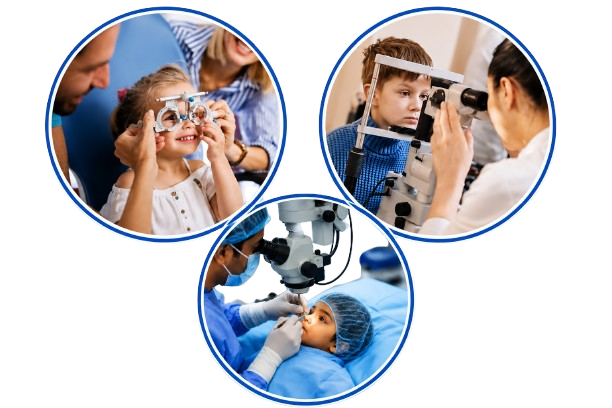
Here’s the thing most parents don’t realise: a child’s vision problem often doesn’t look like one. A toddler won’t tell you their eyes are blurry — they’ll seem clumsy, uninterested in books, or unusually close to the screen. A pediatric ophthalmologist is trained specifically to catch these things, using exams and equipment built for kids who can’t read an eye chart or sit still for ten minutes.
This matters because the visual system is still developing in early childhood. Conditions like squint (strabismus) or lazy eye (amblyopia) respond far better to treatment before age 7 — after that window, the same problem becomes much harder to correct. Catching it early isn’t just convenient, it can be the difference between a quick fix and a lifelong limitation.
Signs Your Child Might Have an Eye Problem
Children rarely complain about their eyesight directly. What you’ll usually notice instead is a behaviour, something that seems minor until you connect the dots. Keep an eye out for:
- Sitting unusually close to the TV, or holding books right up to the face
- Rubbing eyes often, blinking excessively, or squinting to focus
- One eye that seems to drift — inward, outward, up, or down
- Tilting or turning the head to look at things
- Headaches, especially after reading or homework
- A baby who doesn’t seem to track faces or objects
- Watery, red, or light-sensitive eyes
- Struggling in school with things written on the board
- Covering or closing one eye to see better
If any of this sounds familiar, it’s worth getting checked — not because something is definitely wrong, but because it’s easy to rule out and hard to regret catching early.
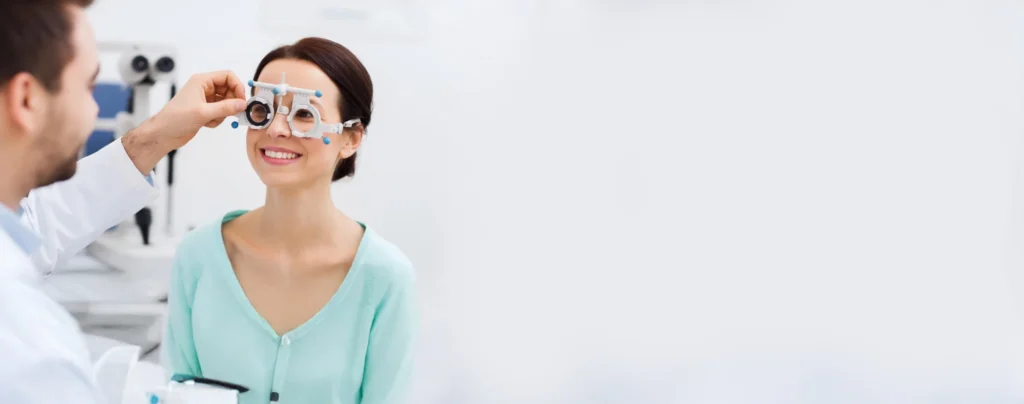
Eye Tests We Use for Children
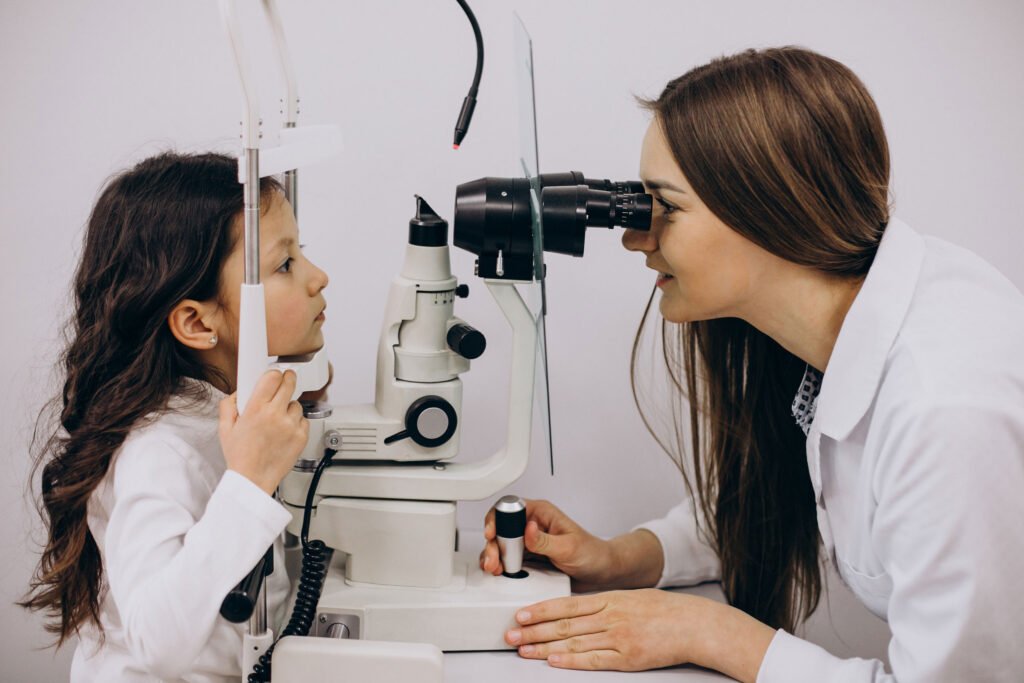
Testing a child’s eyes isn’t the same as testing an adult’s — you can’t hand a three-year-old a letter chart and expect a straight answer. Our pediatric eye exams are built around that reality:
- Visual acuity testing using picture-based and symbol charts for children too young to read
- Refraction and retinoscopy to check whether glasses are needed
- Squint (strabismus) evaluation to assess how well the eyes align and work together
- Amblyopia (lazy eye) screening to catch reduced vision in one eye early, while it’s still treatable
- Color vision testing
- Dilated fundus examination to check the retina and optic nerve
- Binocular vision assessment, checking how well both eyes coordinate
None of this needs to be stressful for your child. We take the time to explain each step, keep the pace unhurried, and make sure you understand exactly what we’re checking and why.
Pediatric Eye Surgeries and Treatments We Offer
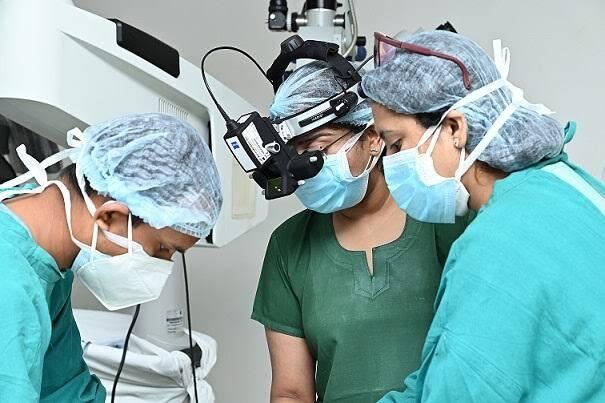
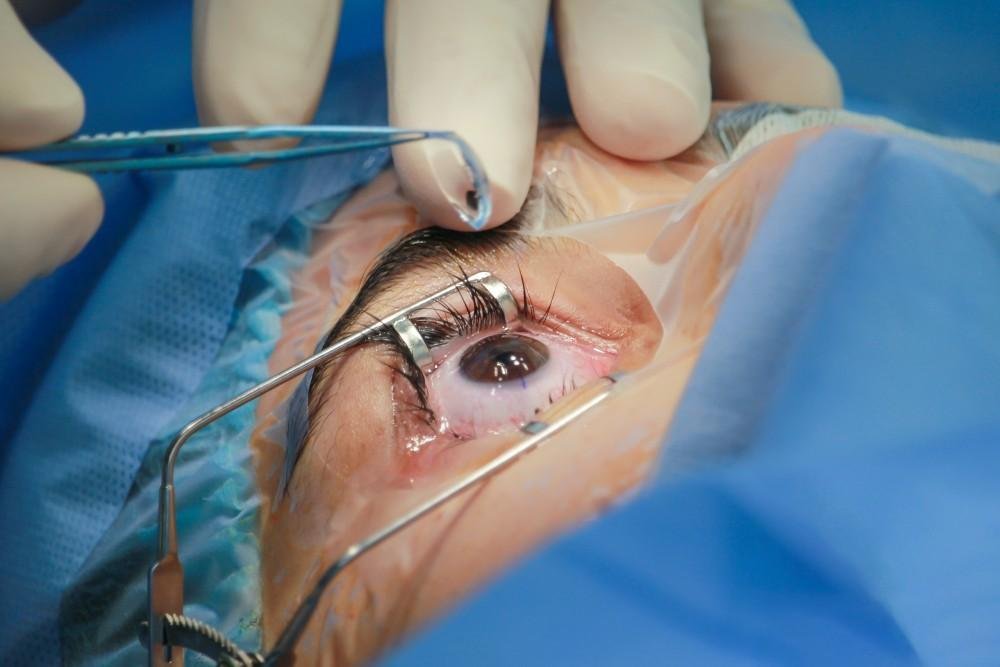
Not every child who walks in needs surgery — most don’t. But when it is needed, here’s what we handle:
- Squint (strabismus) correction surgery to realign the eye muscles
- Amblyopia (lazy eye) management, typically through patching, glasses, or vision exercises before surgery is even considered
- Congenital cataract surgery for cataracts present at birth or developing in early childhood
- Blocked tear duct treatment, for babies with chronic watering or discharge
- Ptosis correction, for drooping eyelids affecting a child’s vision. Glasses for refractive errors — myopia, hyperopia, and astigmatism in children
At Jeevan Jyoti Eye Hospital, we won’t recommend surgery unless it’s genuinely the right call for your child. If glasses or a simpler treatment will do the job, that’s what we’ll suggest first.
Frequently Asked Questions
At what age should a child have their first eye checkup?
Most pediatric ophthalmologists recommend a first screening around 6 months, another around age 3, and again before school starts. If you notice any symptoms earlier, don’t wait for these milestones — get it checked sooner.
Does squint in children always need surgery?
No, and this surprises a lot of parents. Many squints are managed with glasses, patching, or eye exercises. Surgery only comes into the picture when those options don’t correct the alignment.
Can lazy eye be treated if it's caught late?
It’s much easier to treat before age 7-9, while the visual system is still developing. That’s not to say nothing can be done later, but early diagnosis makes a real difference in the outcome.
Do you handle both routine checkups and surgical cases?
Yes — from a simple vision screening to squint correction and congenital cataract surgery, it’s all handled at Jeevan Jyoti Eye Hospital.